Kinect
- Kinect 360 & Kinect One works on Mac with Isadora
- Kinect works on PC in various types of software.
- Install drivers first! Make sure to select the right driver & only install one driver at a time to avoid problems.
- Allow a warmup time of 30-60 minutes for stable results.
- Setup & Lighting
- Kinect comparison
- Kinect in Isadora
- Record your movement for testing
- macOS: Kinect + Processing (M1 Monterry & Ventura)
- macOS: Kinect + Touchdesigner (MAC M1)
- Windows: Drivers
- Windows: Kinect In Touchdesigner
- Example projects
Setup & Lighting
How you setup your Kinect matters a lot for your performance.
Think about placement, light & what you are wearing.

How to Set Up Your Living Room for Microsoft Kinect
Welcome to the future. Now here's how to prepare your space for it
By Dan Nosowitz
Posted on Nov 30, 2010
So you've decided to spring for a Microsoft Kinect (or you're buying one as a gift, or you're planning on getting one as a gift), eh? Congratulations! It's great (mostly)! But here's the thing: Not every living room can handle the Kinect, and even in the ones that can, there are some specifics you may not realize that can really make the Kinect experience better (without hacking). Here's our guide to making sure you get the most out of this futuristic arm-flailing fun.
The Space
Your actual living room space is the most immediately important variable in setting up a Kinect, and also really the only one that can be a dealbreaker. Make no mistake: You need a large living room, in the right shape, to be able to use the Kinect at all. The Kinect requires a large rectangular space free of obstacles in front of the TV, so get comfortable with hauling your coffee table away when you want to play.
Microsoft suggests a space of six feet by six feet in front of the Kinect sensor for one player, and eight feet by six feet for two players. (The Kinect can currently only handle two players at once, though that'll probably change in the future.) In my experience, those numbers are the bare minimum–for comfortable and spacious play, I'd recommend eight-by-six for one player and ten-by-six for two players. Get ready to shove your couch backwards and haul your coffee table into the kitchen–it's a necessary evil of playing Kinect.
Even the bare minimum is going to disqualify a lot of living rooms, due either to shape (that long and skinny living room may be big on paper, but it won't work here) or size. Sorry to pretty much rule out the entire island of Manhattan, but before you buy a Kinect, break out the measuring tape.
The Sensor
The sensor is an amazing piece of hardware-software synergy, and luckily, it's actually a pretty flexible device. Its movable head allows it to aim up or down, so you have a pretty lenient set of rules as to where it can be placed. Microsoft recommends between two and six feet off the ground, either directly below or above your TV, and centered with it. In my experience, two feet above the ground might be a little low, especially if your living room isn't enormous–it'll be tricky for the sensor to capture both your feet and head.
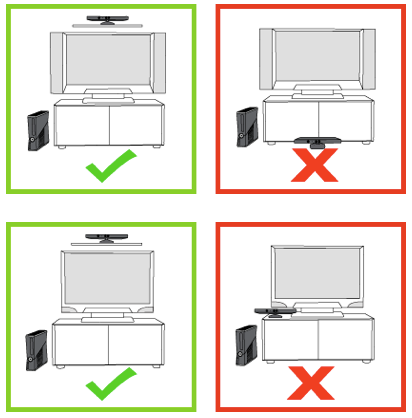
Above the TV sounds great on paper, but unless you want your TV to get really friendly with a lot of duct tape, you'll need to buy the separate Kinect TV mount, which costs $40. Luckily, the sensor works just fine when placed on your TV stand. Make sure to move it as close to the edge as possible, so its view isn't blocked by the stand itself, and feel free to stack it on some DVD cases or whatever to give it a little extra height.
Don't bother trying to tilt the sensor up or down–it'll make this horrible clicking protestation, since it actually has a motor inside that'll tilt it to the correct angle automatically. You can actually break it by trying to forcibly point it up and down, so just leave it alone, you monster. And don't put it in a cabinet, like the one your TV might sit on: The sensor needs room to breathe and move about and it should not be confined inside tight spaces.
One last rule: Do not place the sensor on top of a speaker. That's mostly aimed at those of you with center speakers, but be careful about the location of your TV's speakers as well, if you're using those. More about that in the "Audio" section below. Nearby speakers can screw up the Kinect's audio sensors, and vibrations can screw up its video sensors, which would remove the Kinect's reason for being and possibly its sense of identity. You don't want to be responsible for the self-loathing it would feel if that happened.
The Light
Again, Microsoft really came through here: The Kinect is remarkably flexible in terms of operability under various lighting conditions. That's not to say that there aren't things you can do to help it out a bit, of course. Your enemies in this case are natural light (as usual, am I right, nerds?) and halogen light. Try to avoid having either natural or halogen light on the players while in play, and obviously don't shine light directly onto the sensor itself.
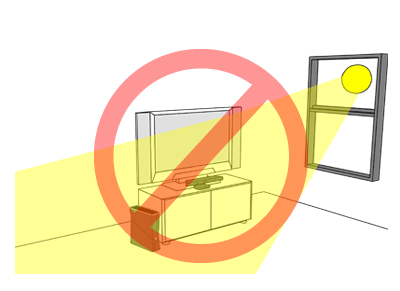
Kinect works best in dim, but not dark, conditions, with even lighting throughout. If you have big windows, shade them during the day, and don't light up your living room like a dentist's office at night. The reason to avoid utter darkness is simply for fun's sake–the Kinect will definitely recognize gestures in the dark, which is good for controlling movies. But dim lighting is the best compromise for the gleeful awkwardness of playing Kinect: You want to be able to see your fellow players, but you don't want harsh clinical light to make their every move even less flattering.
The Video
The video side of the home theater setup is much less important. The Kinect works best, in general, with a modern HDTV, simply because it's an Xbox 360 peripheral and was designed for one. The specifics–LCD vs. plasma, 60Hz vs. 120Hz, Samsung vs. Not Samsung–don't really matter any more than usual. Just remember that you'll be in a different viewing position: You'll probably be moving your couch backwards (if you can), and you'll also be standing rather than sitting, so your TV might seem smaller and lower. That's not to say you need a big honking TV, but if you're using one that's a bit small for your room in its pre-Kinect state, you might end up squinting a bit.
The Audio
Audio is a little trickier than video. The Kinect will force you to do what seems like an unnecessarily exhaustive audio setup when you first plug it in. But it is not unnecessary! The Kinect's voice recognition feature may end up being ultimately as useful as the video sensors, and it's important to get it right. The setup does a pretty good job of calibrating itself, but it's too polite to lecture you about your home theater setup. That's what I'm here for.
If you're using the speakers in your TV, stop. Don't do that anymore. Not only are they almost universally lousy, but they'll make your Kinect experience (not to mention your TV, movies, and music experiences) suffer. Go buy some kind of stereo. The Kinect works best with either a stereo (two-channel) or Dolby 5.1 surround sound setup. Don't let me pressure you into dropping an extra grand on audio equipment, but a decent used receiver and a couple of speakers, or even one of those home-theater-in-a-box setups frantically flogged on Black Friday, will do you very well here.
5.1 systems feature a center speaker that should be placed just about where the Kinect sensor should be placed. Do not place the sensor on top of the center speaker, even if it balances really nicely or matches perfectly. Having a sound source that close to the Kinect's four microphones will dramatically undermine its ability to separate human voices from other sounds, and thus make it much harder for the Kinect to understand you.
If you've decided to disobey my very clear directions to go buy a reasonable stereo and stop living like a caveman, note where your TV's speakers are and try to place the Kinect sensor away from them.
The Outfits
The optimal outfit for playing Kinect is a full-body, non-reflective leotard in a neutral color. (A scuba suit can work in a pinch.) But even though our bodies are all beautiful in their own way, they're mostly not, and there are perfectly suitable apparel alternatives that won't scar the retinas of other people in the room. Really, just try not to wear shapeless clothing–the Kinect sensor relies on being able to pick out limbs and joints, so don't wear a poncho or a cape or a garbage bag or anything else that obscures your shape.
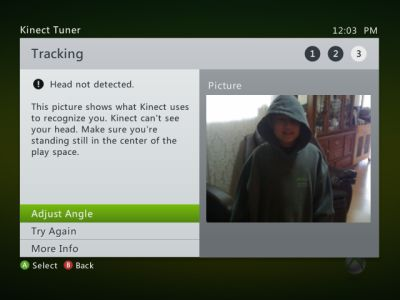
The Kinect is also able to detect faces (which is both cool and creepy, but that's a point for another day), so don't wear anything that covers your face. If, on the other hand, you are a burglar who is breaking into a Best Buy to steal some stuff, and you want to try out the Kinect because maybe you've heard so many great things about it in such publications as PopSci, and you want to sneak into and out of said Best Buy undetected with your loot–well, without making judgments (is it wrong to steal a loaf of bread to feed your etcetera?) or assuming anything about the attire of curious technophile thieves, you both can and should wear a ski mask. Because if you don't and the Kinect recognizes your face and the police find you because of your oversight and there's a headline sometime next week reading "High-Tech Burglar Caught by Microsoft Kinect," I will definitely write about it, and I'm liable to make fun of you, which might damage your self-esteem or confidence in your illicit career choice or professional pride.
All that being said, normal clothing generally works fine.
Happy Kinecting!
Source: Popular Science
Original publication date: November 30, 2010
Kinect comparison
https://pmc.ncbi.nlm.nih.gov/articles/PMC7827245/table/sensors-21-00413-t001/
Table 1.
Comparison of the three Kinect versions.
| Kinect v1 [17] | Kinect v2 [26] | Azure Kinect | |
|---|---|---|---|
| Color camera resolution | 1280 × 720 px @ 12 fps 640 × 480 px @ 30 fps |
1920 × 1080 px @ 30 fps | 3840 × 2160 px @30 fps |
| Depth camera resolution | 320 × 240 px @ 30 fps | 512 × 424 px @ 30 fps | NFOV unbinned—640 × 576 @ 30 fps NFOV binned—320 × 288 @ 30 fps WFOV unbinned—1024 × 1024 @ 15 fps WFOV binned—512 × 512 @ 30 fps |
| Depth sensing technology | Structured light–pattern projection | ToF (Time-of-Flight) | ToF (Time-of-Flight) |
| Field of view (depth image) | 57° H, 43° V alt. 58.5° H, 46.6° |
70° H, 60° V alt. 70.6° H, 60° |
NFOV unbinned—75° × 65° NFOV binned—75° × 65° WFOV unbinned—120° × 120° WFOV binned—120° × 120° |
| Specified measuring distance | 0.4–4 m | 0.5–4.5 m | NFOV unbinned—0.5–3.86 m NFOV binned—0.5–5.46 m WFOV unbinned—0.25–2.21 m WFOV binned—0.25–2.88 m |
| Weight | 430 g (without cables and power supply); 750 g (with cables and power supply) | 610 g (without cables and power supply); 1390 g (with cables and power supply) | 440 g (without cables); 520 g (with cables, power supply is not necessary) |
Kinect in Isadora
To use Kinect in Isadora you need to download a couple of plugins from the Troikatronix page;
https://troikatronix.com/add-ons/openni-tracker/
Read the instruction with attention & follow them.
Kinect 360 works on Mac air & Mac pro (M1 with Rosetta)
Kinect V1 works on Mac pro (M1 with Rosetta)
Connect your Kinect before starting Isadora.
Add the nodes in the picture below (or open the patch shared in nextcloud)
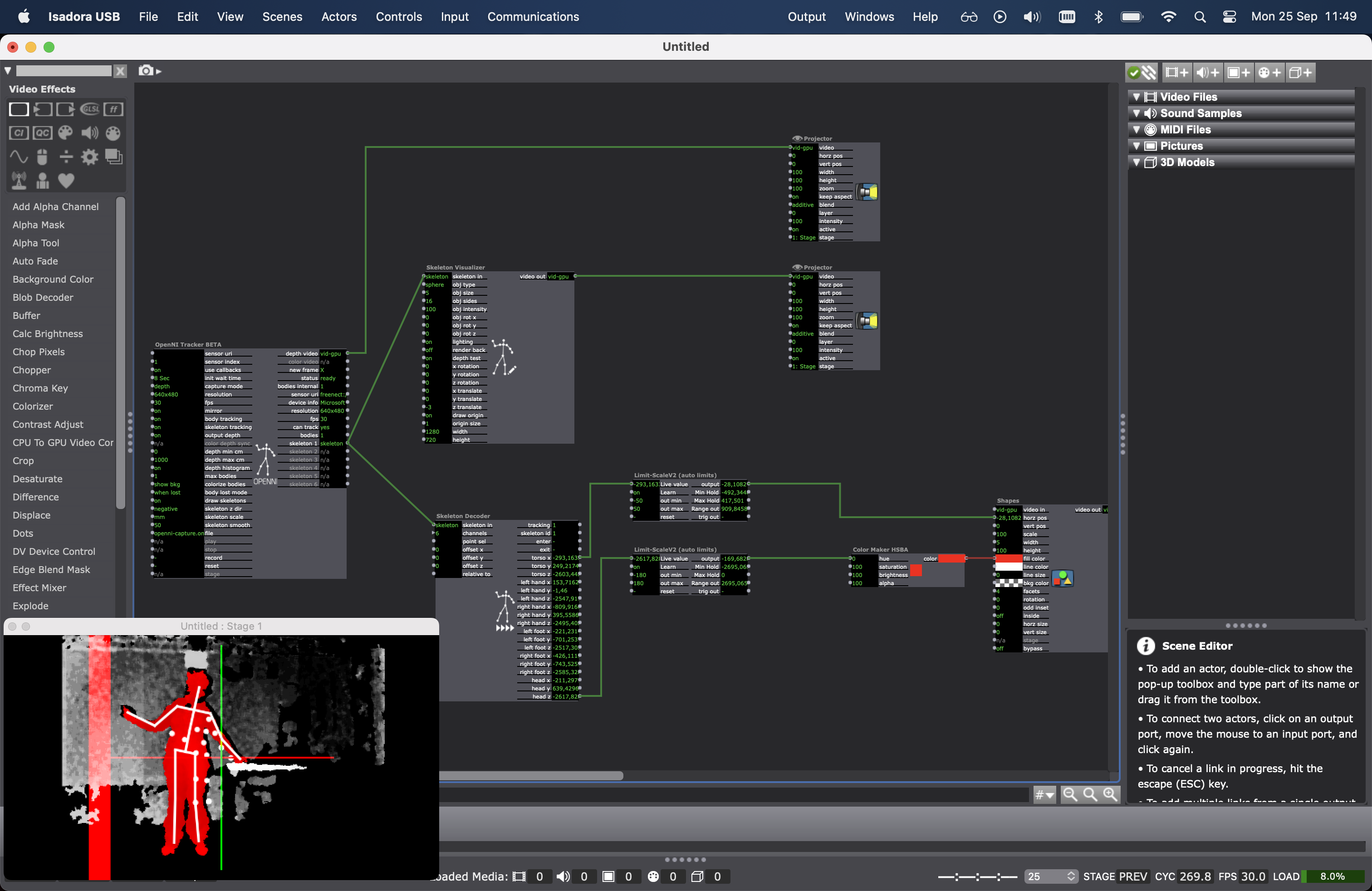
If your Kinect is not recognised by the software, try resetting or deleting the OpenNItracker or even adding it again.
Detailed explanation of the possibilities with Kinect in Isadora can be found here:
https://troikatronix.com/add-ons/tutorial-openni-tracker/
and here:
Record your movement for testing
- https://kinect.github.io/tutorial/lab11/index.html (Kinect 2 for Windows Demo App)
macOS: Kinect + Processing (M1 Monterry & Ventura)
Kinect processing MAC M1, works on Monterry & Ventura
First install Rosetta:
https://osxdaily.com/2020/12/04/how-install-rosetta-2-apple-silicon-mac/
Get the libraries for processing:
https://github.com/shiffman/OpenKinect-for-Processing
https://shiffman.net/p5/kinect/ (dead link)
https://github.com/shiffman/OpenKinect-for-Processing/releases
Open standard library to test:
File > examples > contributed libraries. Open kinect for processing > V1 , then Run code
Do you get the error: NoClassDefFoundError: /com/sun/jna/Library ?
Fix: https://discourse.processing.org/t/processing-4-openkinect/32781/9
Example codes
Warning: the code for kinect 1 and 2 is not the same..
check: https://shiffman.net/p5/kinect/ (dead link)
> Examples
Tutorials for using Kinect data in Processing:
Check out the Coding Train videos series: Introduction to Computer vision, chapter 12.1 (What is the Kinect?): https://www.youtube.com/watch?v=QmVNgdapJJM
Link to the entire series: https://www.youtube.com/watch?v=h8tk0hmWB44&list=PLRqwX-V7Uu6aG2RJHErXKSWFDXU4qo_ro
macOS: Kinect + Touchdesigner (MAC M1)
Kinect usually doesn't work on mac in Touchdesigner but people try to find ways to work around it.
https://github.com/stosumarte/FreenectTD/releases/tag/v1.0.0
Tested on mac by Blackbox employe location IBB.
No skeleton tracking only depth registration (V1 & 2), pointcloud (V2) and IR output (V2)
Windows: Drivers
Check our this dudes tutorial:
- Select the right type of driver for your kinect.
- Download & install as instructed on the pages below
- tip: only install one type of kinect a time on your pc, as things may get messy after mixing.
Kinect 360 (v1, SDK 1.8)
- Install the Kinect Runtime 1.8 and Kinect for Windows SDK 1.8 from Microsoft.
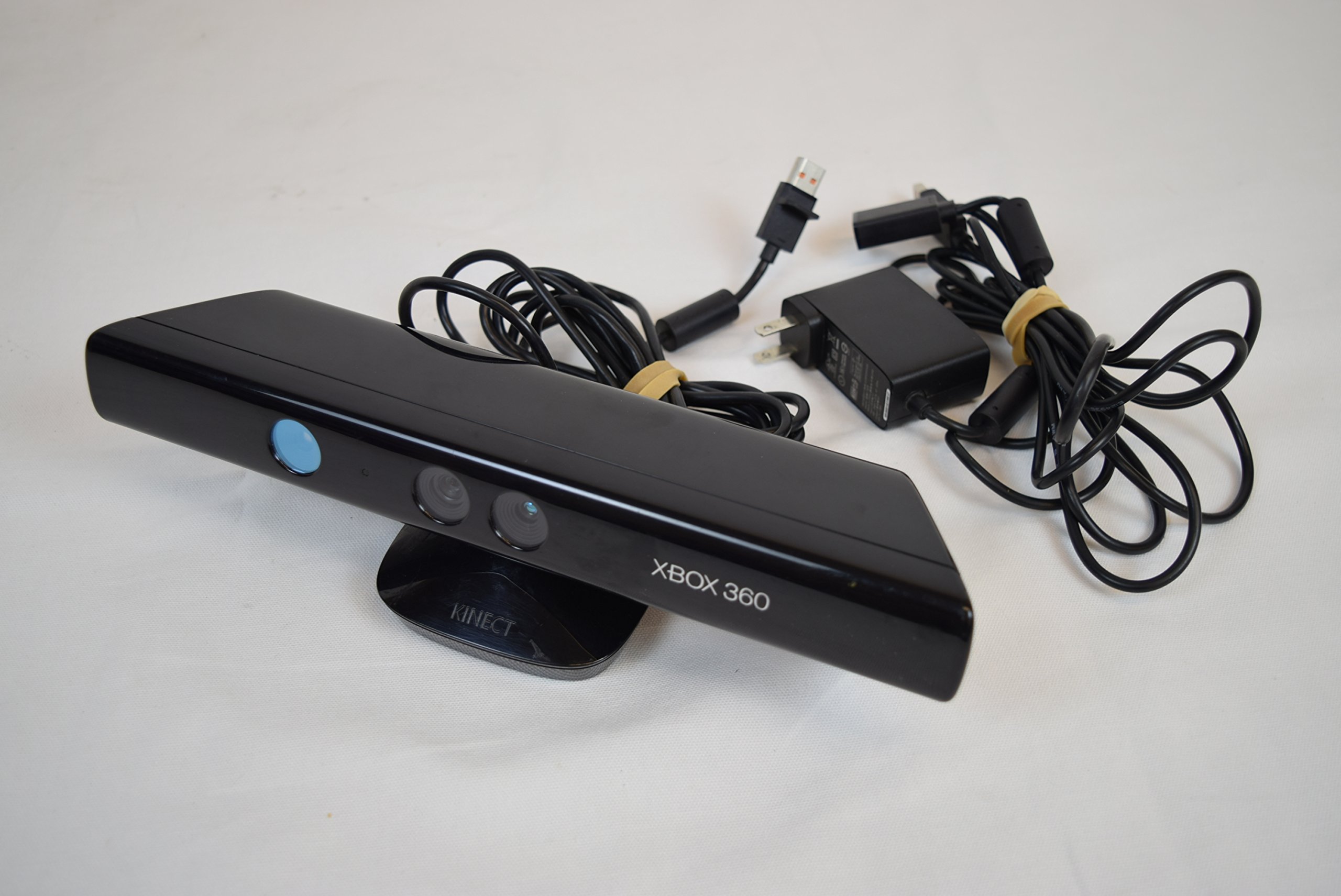
This sensor is widely available on 'marktplaats ' & doesn't cost much. Don't forget to also purchase a dedicated Kinect power/USB cable to connect it to your computer!
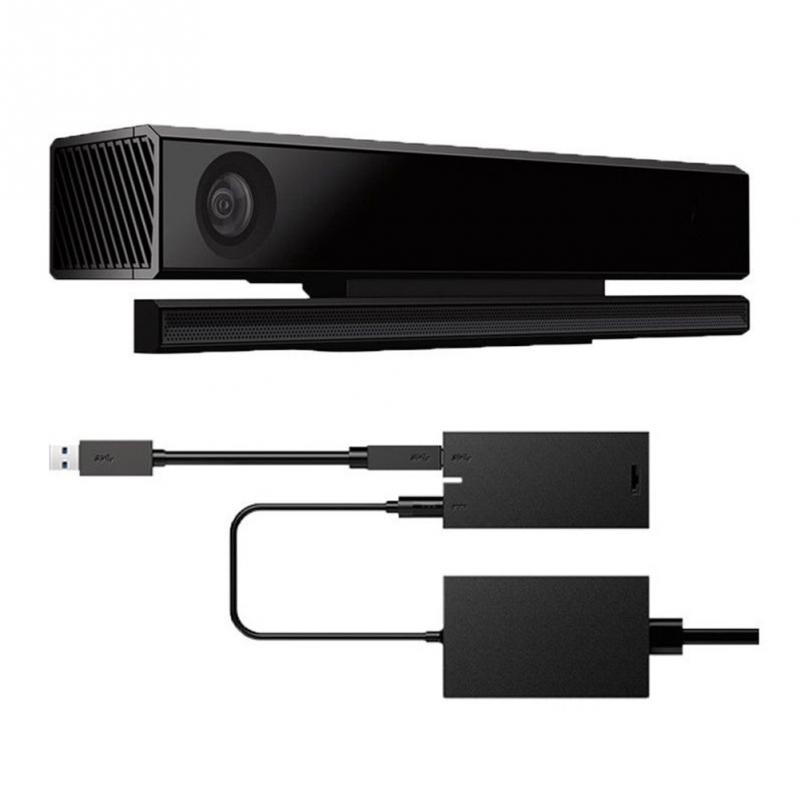
Kinect One (Xbox, SDK 2.0)
- Install the Kinect SDK 2.0 from Microsoft.
and Runtime 2.0
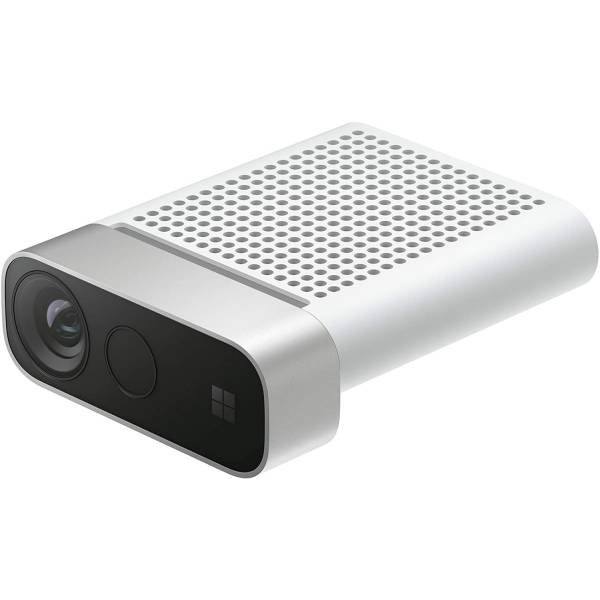
Kinect Azure
You can find installation details for Azure Kinect Sensor SDK and Firmware here.
TIPS FOR WORKING WITH ALL KINECT SENSORS
- Always connect the AC power supply that comes with the Kinect sensor. The green LED will light up under USB power, however the sensor will not function correctly unless the AC power supply is also connected.
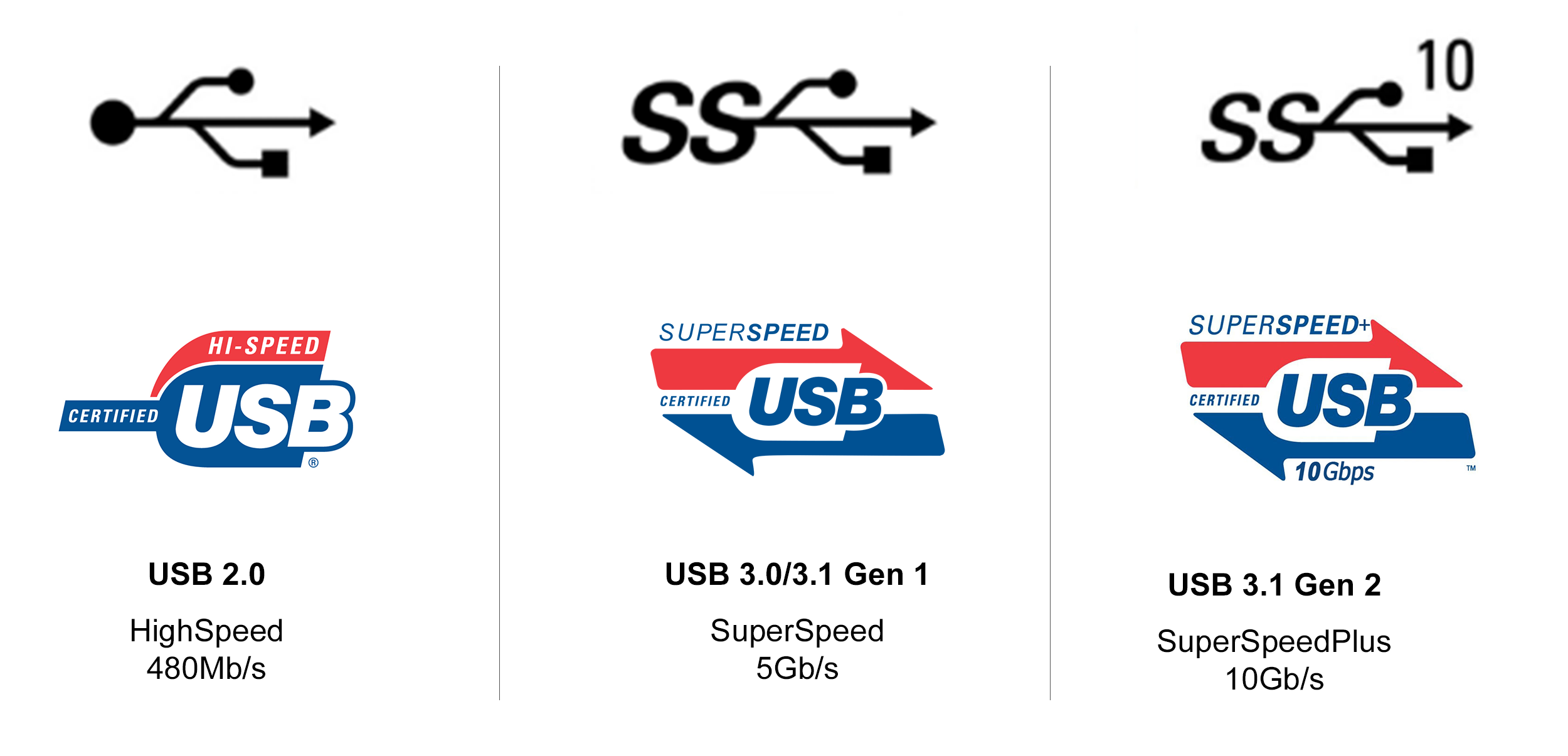
- Kinect V1 can be less stable on USB3.0 ports, try USB2.0 ports if you are experiencing problems connecting tot the device or the connection drops out after some time. Kinect V2 however only works on usb3.0 ports (see logo)

- If using multiple Kinects, each Kinect sensor must be connected to its own USB controller. On some computers multiple USB ports will be on the same USB controller, this will cause problems if two Kinects are sharing that same controller. Refer to your computer's Device Manager to inspect which ports belong to each USB controller.
- Open your Touchdesigner patch first, then add the Kinect to your USB port. Select the right version!
- remember: you need the correct driver for the kinect you are using. Uninstall the drivers you are NOT using, when switching Kinect type. How to Uninstall here
Windows: Kinect In Touchdesigner
Using any Kinect in Touchdesigner op PC is plug & play after you've installed the right drivers & SDK.
Open your Touchdesigner patch first, then add the Kinect to your USB port. Select the right version.
Ways to interface with Kinect in TouchDesigner
- Depth camera - Kinect TOP
- RGB camera - Kinect TOP
- Infrared camera - Kinect TOP
- Skeleton Point Tracking - Kinect CHOP
- Hand Interaction - Kinect CHOP
- Microphone Array Audio Capture - Audio Device In CHOP
- To control the tilt of the camera, use the Tscript
kinecttiltCommand
The Kinect Azure has the above but use specific operators hat work together:
- Kinect Azure TOP
- Kinect Azure Select TOP
- Skeleton Point Tracking - Kinect Azure CHOP NOTE: For joint orientation and bone hierarchy, see: Kinect Hierarchy
The Pallete has this interesting component: Kinect Callibration for Projection Mapping which allows for calculating the intrinsics and extrinsics of a projector in relation to a Kinect device making it possible to project onto the scene captured by the kinect.
Check out the specifics, possibilities and some example patches on the derivative site:
https://derivative.ca/UserGuide/Kinect1 for Kinect 360
https://derivative.ca/UserGuide/Kinect for Kinect One
or Kinect Azure in the search bar